Project desk
North American coordination
United States
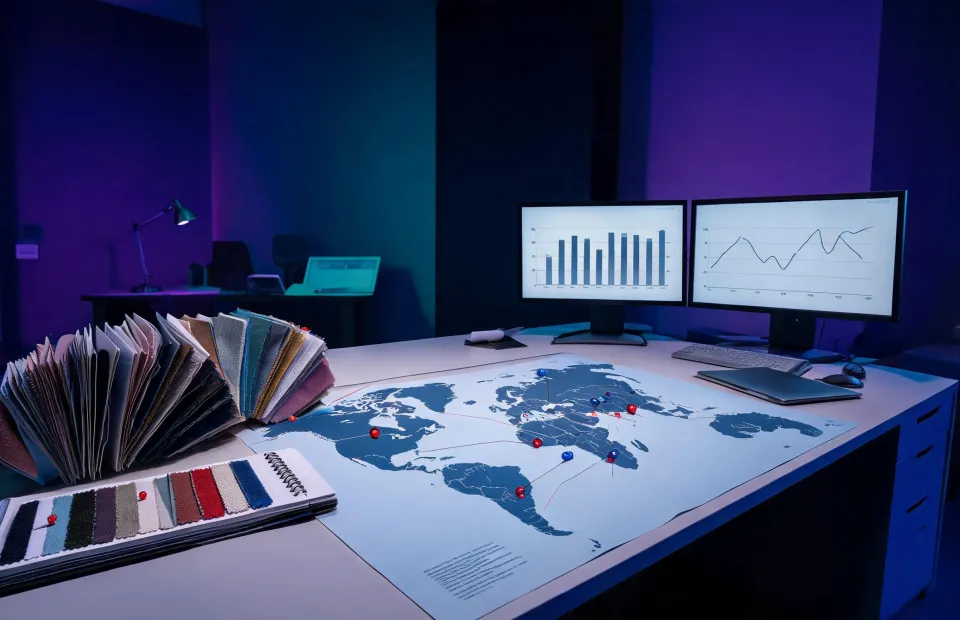
Project connection
Start with the application, exposure and decision gate. The project desk will identify the sample type, construction data and evidence needed for the next review.
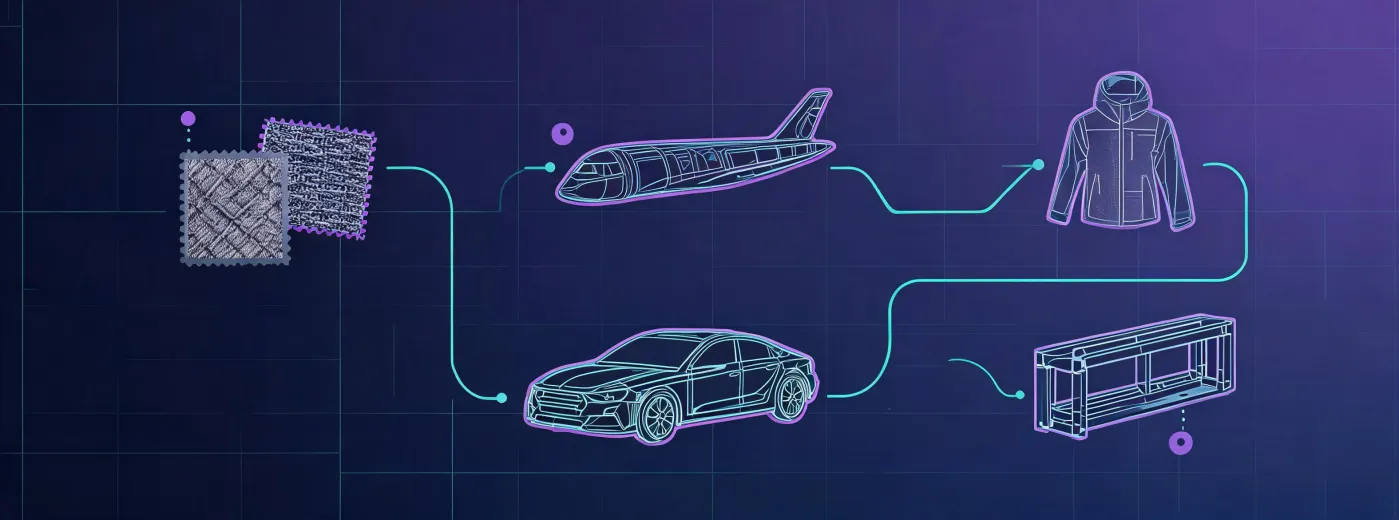
North American coordination
United States
Monday-Friday
08:30-17:30 Eastern Time
State whether you need a grade memo, fabrication yardage or laboratory specimens. Label any physical sample with reference, grade, finish, lot when known, orientation and review purpose. Include the substrate, thread, resin matrix or adhesive when assembly behavior matters. For processing studies, name the product, dilution, dwell time, repetition and assessment endpoint.
Reports should identify issuer, date, method edition, specimen construction, conditioning and result. Do not send controlled drawings or confidential chemistry through an open inquiry; request a suitable exchange channel after the project desk responds.
A grade request should identify the physical standard, viewing illuminant and acceptable tolerance. A mechanical request should name tensile, compression or shear method, specimen orientation and endpoint. An composite request should state whether exposure is covered, intermittent or continuous. These details let the response address the project instead of assigning a generic performance label.
Two-column technical brief
The initial review can identify missing specification fields, a relevant sample stage and evidence available for a cited reference. It is not a test certificate, production release or prediction of service life.
Include target fiber content, GSM, usable width, grade, construction, finishing route, anticipated demand and market. Describe occupancy, soils, processing, ultraviolet light, moisture, heat and flexing. Name mandatory test methods and acceptance criteria where the buyer has already selected them.
The material team separates visual approval, fabrication trial and laboratory verification. Changes in yarn, weave, finish, grade or backing trigger a relevance review before prior evidence is reused. Commercial entity, availability, price, MOQ and shipping destination require written confirmation.