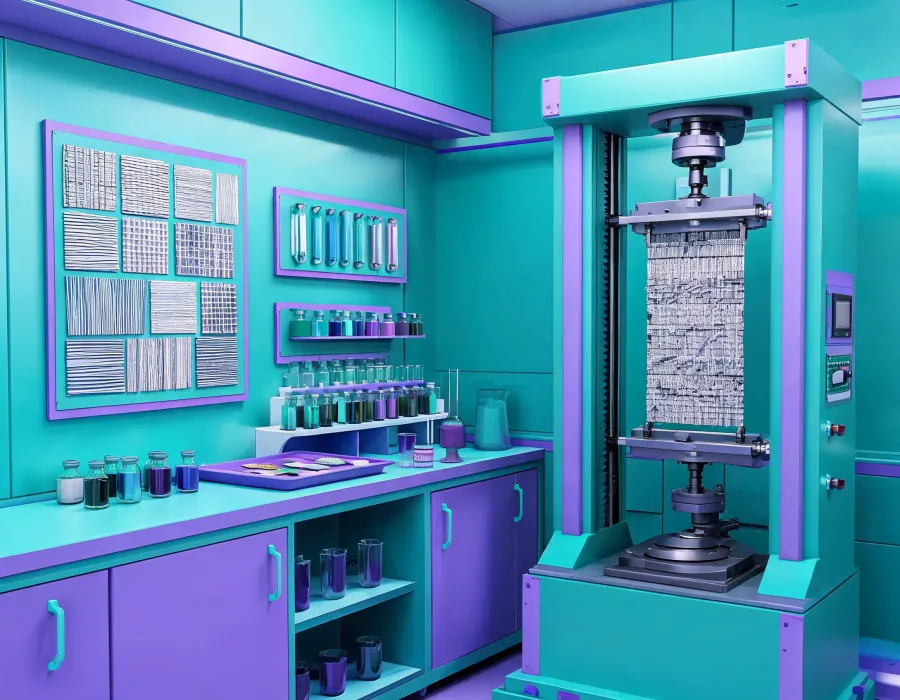
Development support

Toray Fabric Programs From Brief to Verified Trial

Performance textiles earn approval through specific decisions: which construction, which exposure, which specimen and which endpoint. Our service path keeps those decisions visible through sampling and production review.

Reinforcement textile development laboratory

Four services, four distinct records

01

Application intake

Document composite layup geometry, load frequency, indoor or industrial exposure, resin and release systems, ply interface design and substrate. This context determines whether mechanical, thermal, fiber and resin stability, moisture, dimensional stability or adhesion belongs in the trial.
02

Sample architecture

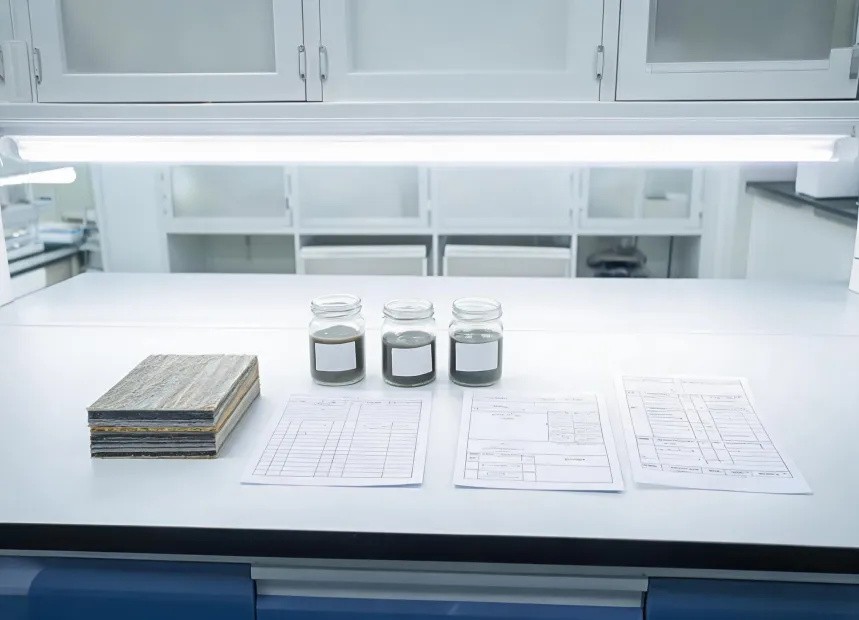
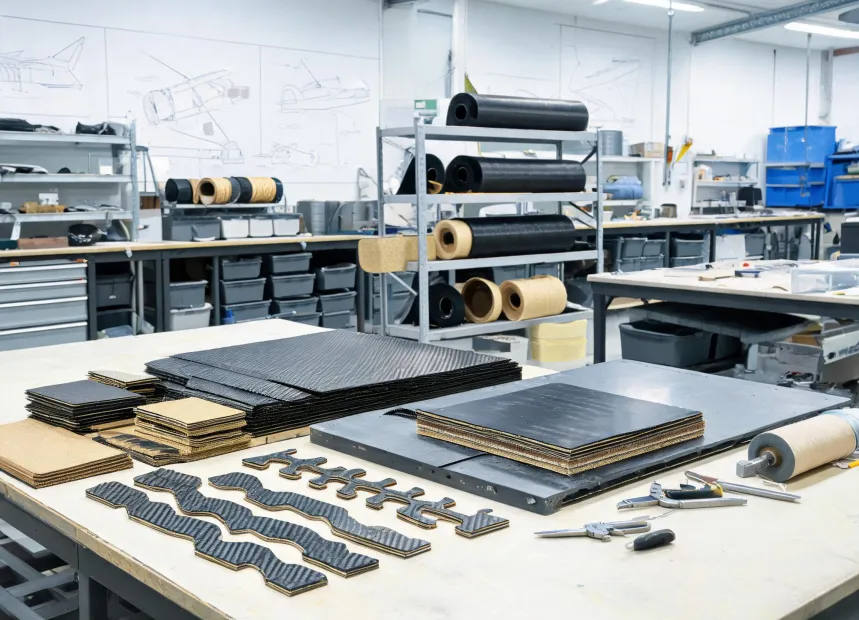
Separate material samples for tow and weave selection from cut patterns for layup and conditioned specimens for laboratory testing. Each sample carries material reference, grade, finish, batch and storage history and a defined review purpose.

03

Method mapping

Translate broad requests into named procedures. tensile, compression and interlaminar shear methods use different specimen geometries and endpoints; moisture conditioning changes measured response; processing compatibility requires the actual agent, concentration, dwell time and repetition.

04

Change control

Record revisions to fiber, yarn, weave, sizing route, sizing, resin compatibility or process. Existing evidence is reviewed for continued relevance rather than transferred automatically to a changed construction.

Outdoor performance systems composite layup fabric resin system trial

Scenario 01

Outdoor performance systems composite layup: resin system exposure before grade approval

Background: A prepreg program controls resin chemistry, resin content, tack, out-time and storage history. Visual inspection cannot establish cure response or laminate quality. Process: The team records resin batch, freezer history, thaw cycle, layup time, cure schedule and laminate test endpoint, then evaluates the exact fiber-resin system. Outcome: The decision record distinguishes initial appearance acceptance from compatibility evidence and flags any assembly-level work still required.

Scenario 02

Aerospace structures reinforcement: mechanical without a universal service-life claim

Background: Primary structures, panels and pressure vessels create different load paths and damage modes. Process: The brief connects ply orientation and interface design to a named mechanical method, endpoint, void and delamination review and cure cycle. Cut patterns are evaluated with the intended resin matrix, tooling and consolidation process. Outcome: Procurement receives comparable test conditions and a bounded result instead of converting laboratory cycles into an unsupported number of field years.

Aerospace structures laminate reinforcement trial
Contextend use recorded
Specimenidentity preserved
Endpointacceptance stated
Changeimpact reviewed

Bring the application into the sample request.

Tell us what touches the fabric, how it is cleaned, where it is installed and which failure mode the team needs to control.